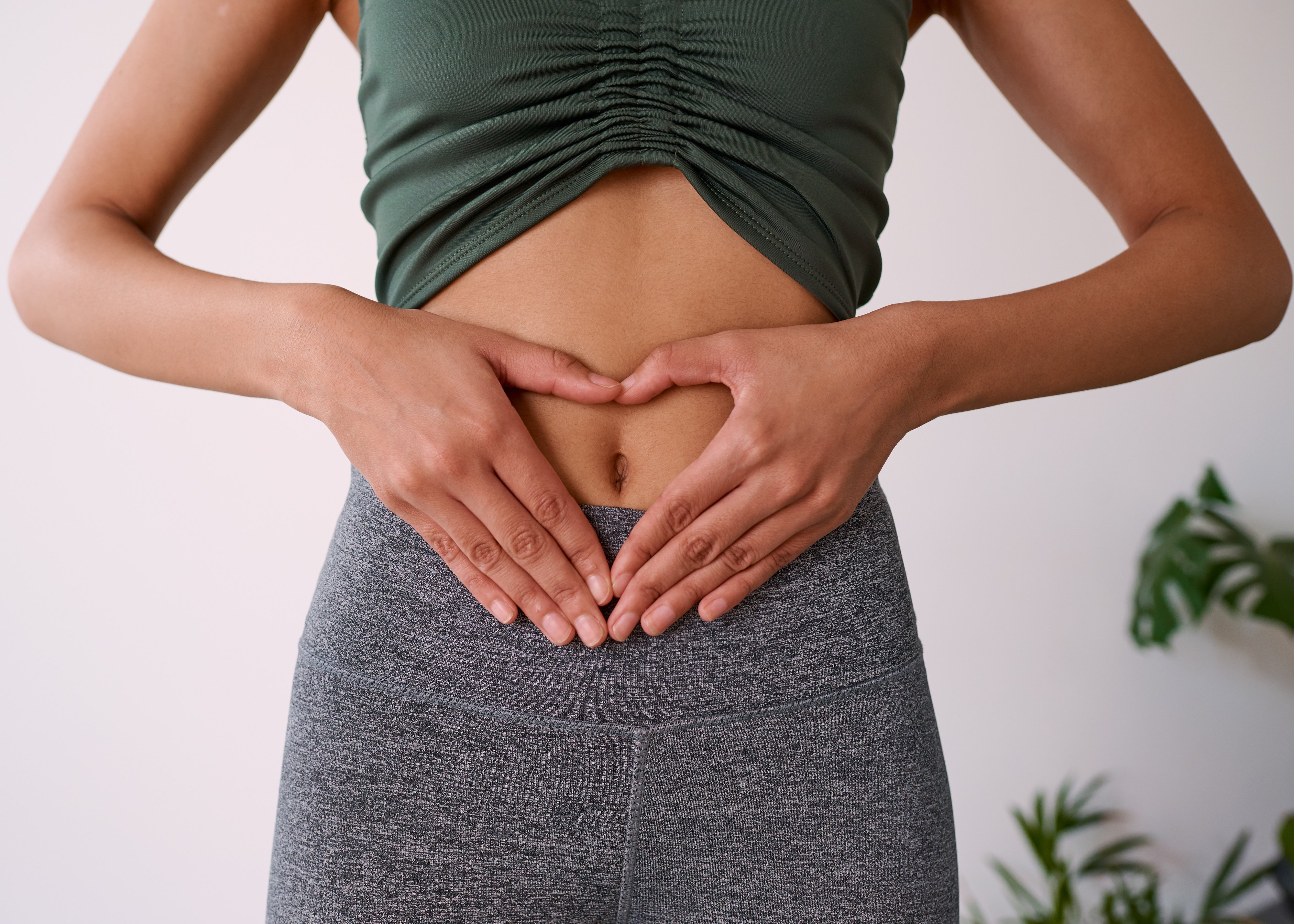
The gut sits at the centre of more systems in the body than most people realise. It is where food becomes energy. It houses around seventy per cent of the immune system. It is in constant two-way conversation with the brain. It shapes inflammation, hormones, mood, and the body’s ability to fight off illness and recover from it. When the gut is working well, much of the rest of the body works better by default. When it is not, the consequences show up in places you might not expect — energy, mental clarity, skin, sleep, resilience to everyday illness.
This is why gut health sits as a pillar in its own right rather than as a sub-section of nutrition. What we eat matters. But so does the ecosystem that processes what we eat, and that ecosystem turns out to be one of the most consequential variables in healthy ageing.
If you were asked to name the most important organs for long-term health, you would probably reach for the heart, the brain, the lungs, perhaps the liver. You would probably not name the gut. Most people think of digestion as a useful but fairly basic process — food goes in, nutrients come out, the rest exits. This is a serious underestimate of what the gut actually does.
The human gut hosts a community of trillions of microbes — more microbial cells than human cells — that are active participants in almost every major physiological system. They break down fibres and compounds the body cannot digest on its own. They produce vitamins and hormones. They train the immune system and help defend against illness. They send signals to the brain that influence mood and mental function. They maintain the lining that separates what is inside the digestive tract from the rest of the body. None of this is optional. The human body has evolved alongside these microbes for millions of years, and the relationship is essential to how we function.
Three things about the gut make it particularly important when thinking about long-term health and healthy ageing.
First, the gut is one of the main sources of chronic low-level inflammation, which sits upstream of most age-related diseases — heart disease, type 2 diabetes, cognitive decline, frailty. When the gut’s ecosystem is balanced and its barrier intact, inflammation stays in check. When it is not, inflammation rises, and it rises in ways that accumulate quietly over years.
Second, the gut influences how well the body handles almost everything else. Nutrition depends on what the gut can actually absorb. Immunity depends on how the gut is working. Energy levels, sleep quality, and even cognitive sharpness all respond to what is happening in the gut. This is why gut issues rarely stay local — they tend to show up in ways that seem unrelated at first glance.
Third, the gut ecosystem changes with age in predictable and largely unhelpful directions. Diversity tends to fall. Protective microbes decline. Inflammation rises. These changes are not inevitable, but they are common. Attending to gut health earlier — in your forties, fifties, and sixties — is one of the more effective ways of shaping how you age.
Gut issues rarely stay local. They tend to show up in places that seem unrelated at first glance — energy, mood, skin, sleep, resilience to everyday illness.
If you have read anything about gut health in the last decade, you have almost certainly encountered the term ‘leaky gut.’ The phrase refers to a real and important phenomenon: the single-cell lining that separates the contents of the digestive tract from the rest of the body can, under certain conditions, become more permeable than it should be. When that happens, substances that ought to stay in the gut — including bacterial fragments and partially digested food components — can pass into the bloodstream and trigger low-grade inflammation throughout the body.
This matters because a more permeable gut barrier is now understood to be one of the mechanisms linking the gut to age-related inflammation, metabolic disease, and a range of chronic conditions. Researchers more often refer to this as ‘intestinal permeability,’ which is a less colourful phrase but describes the same underlying idea. It is a real mechanism and an important one.
The phrase has also been used in ways that go well beyond what the evidence supports — attached to a wide range of symptoms, sold through expensive tests and supplement protocols, and marketed as the answer to almost anything that ails a person. Section 2 takes the careful version of this story — what the research actually shows, where the science is solid, and where the commercial framing runs ahead of it. For now, it is enough to say: the underlying idea is real, it matters for longevity, and it is one of the reasons this pillar exists.
One of the most striking findings in longevity research over the past decade has come from studying the gut microbes of people who live past one hundred. Researchers have now examined centenarians across several populations — in Italy, China, Japan, and Sardinia — and found that they share distinctive patterns in their gut microbiomes. Their gut ecosystems are more diverse, richer in certain protective organisms, and more resilient than those of ordinary older adults. Whether this is cause or consequence is still being worked out. What is clear is that the people who age best are not ageing with the same gut profiles as everyone else.
At the other end of the spectrum, people with accelerated ageing conditions — and older adults experiencing frailty and cognitive decline — consistently show the opposite pattern: reduced diversity, depleted protective microbes, increased inflammatory signatures. The gut is not incidental to how we age. It is part of the process.
For a Forever Well member, the practical implication is straightforward. The gut is worth treating as a long-term investment, alongside the other pillars. It will not be fixed by a supplement or a thirty-day protocol. It responds to consistent, gradual changes — mostly in diet, supported by sleep, exercise, and stress management — sustained over months and years rather than weeks.